
Explore the resource details
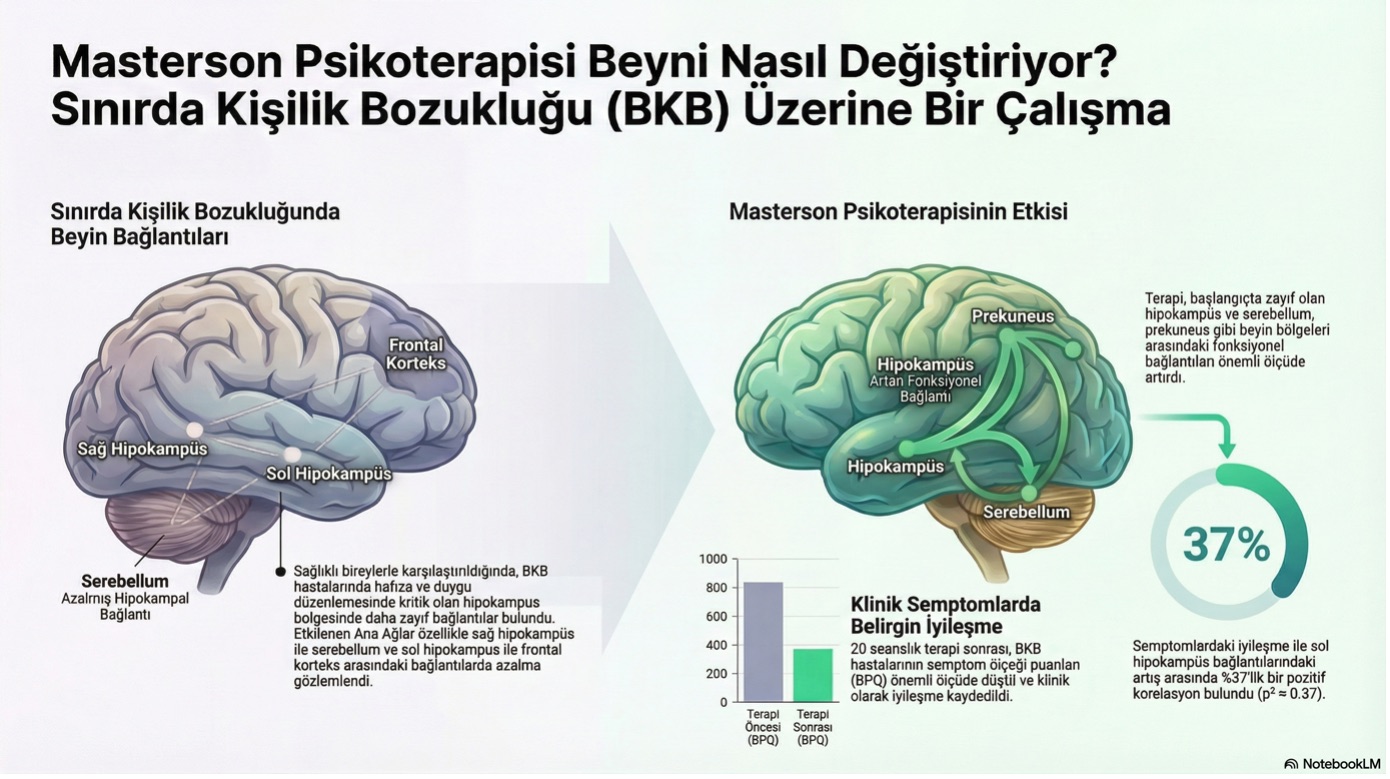
Masterson Psychotherapy (MP) is a therapeutic method used to manage the symptoms of Borderline Personality Disorder (BPD). This pilot study aimed to investigate the effects of MP on brain connectivity in individuals with BPD using resting-state fMRI. To examine changes in brain connectivity, we collected resting-state fMRI data from 10 individuals with BPD before and after 20 sessions of MP. The pre-therapy data of these individuals were also compared with data from 10 healthy controls. The results showed reduced hippocampal connectivity in individuals with BPD compared with controls, which improved significantly after MP. Notably, improvements in hippocampal connectivity were associated with clinical reductions in BPD symptoms. The findings of this preliminary study suggest that the therapeutic benefits of MP in BPD may be related to increased hippocampal connectivity.
This study has two main aims: (1) to identify differences in connectivity in individuals with BPD compared with healthy controls, and (2) to examine the effect of Masterson Psychotherapy (MP) on these connectivity patterns. Resting-state fMRI was used to assess changes in connectivity in participants with BPD before and after 20 MP sessions, and standardized scales measuring BPD symptom severity were also administered. Through this approach, we aim to deepen our understanding of the neurobiological effects of psychotherapy in BPD and to inform future interventions targeting the neural correlates of the disorder.
To access the full article:
https://www.sciencedirect.com/science/article/abs/pii/S0925492725000551?via%3Dihub
How Psychotherapy Shapes the Brain:
Sınırda_Psikoterapi_Beyin_Dönüşümü 1.pdf
Does Psychotherapy Change the Brain? Podcast:
https://mastersonenstitusuturkiye.com/icerikler/2.Terapi_Beyni_De%C4%9Fi%C5%9Ftirir_mi_.mp4

